Recreational Diving

With dozens of diving sites scattered all around the Red Sea, recreational diving has become over the 20 past years one of Egypt’s top tourism drivers.

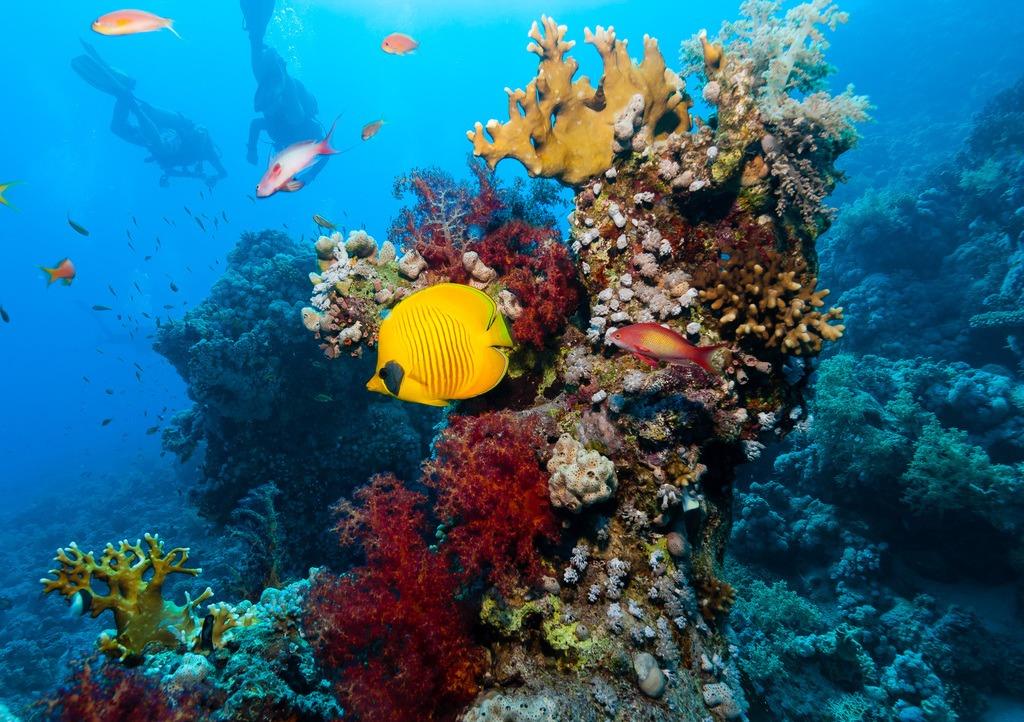
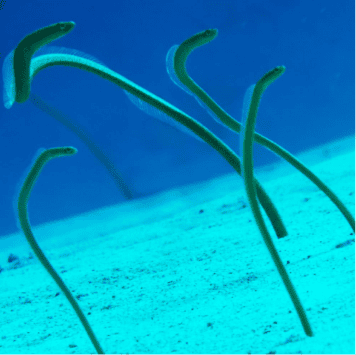
The Red Sea fauna and flora is world-famous for its variety, and even at the easiest to dive at spots, divers are blessed with underwater sightings of unexpected beauty. This amazing eco-system is home to around 1000 different fish species and 150 species of coral.

The Red Sea coast is lined with underwater fringing coral reefs totalizing a distance of some 2000 kilometres. Those have to be considered as a world nature heritage, and all divers have the duty to dive responsibly and avoid spoiling all this natural beauty.

Most of Egypt’s diving sites are accessible to recreational divers, whereas a few are considered off-limits to non-technical divers.

Diving centres in Egypt recognize international certificates, and recreational scuba divers are welcome to explore all sites corresponding to their skill level.

Technical Diving

Also known as Tech or Tek Diving, Technical Diving is the next best thing in diving. It is about surpassing your limits and testing your skills in exploring deeper and harder to reach underwater features, such as caves, narrow canyons, and ship wrecks while breathing mixed gas.

The Red Sea is full of fascinating “technical” sites to explore. Diving centres operating trips to these specific locations have professional technical instructors, and the necessary gear to accommodate to this increasing trend in Egypt.

Make the best out of your holiday in Egypt by signing up for a technical diving course. Prestigious technical diving agencies such as TDI (Technical Diving International) and DSAT are present in the Red Sea offering the whole array of technical courses, from basic Enriched Air Nitrox to Trimix courses and more.

Diving and dive centres in Egypt are managed and regulated by the Chamber of Diving and Watersports (CDWS). It recognizes the following technical training agencies: SSI, NAUI Tec, TDI, IANTD, DSAT, GUE, ANDI, IART, and BSAC.

Free Diving

Over the past few years, free-diving, which is also known to many as “skin-diving” has been booming in some of Egypt’s Red Sea destinations such as Dahab, Hurghada and Sharm El Sheikh.

Free diving, and more precisely competitive free-diving is an extreme sport where divers try to reach a maximal depth while holding their breath, wearing only a mask, and fins or a monofin, but no tank.

Divers are legally allowed to free-dive in Egypt only if they’re holders of international certifications entitling them to do so. Many dive centres in Egypt provide world-recognized free-diving certifications upon completion of a training course.

Certifications

Egypt is one of the greatest diving destinations, for all levels of divers. Recreational, technical, and beginner divers alike are sure to find the right dive centre to improve their diving skills or enrol in a basic course, at the end of which they’ll obtain an international diving certification proving their skill level.

Diving and dive centres in Egypt are managed and regulated by the Chamber of Diving and Watersports (CDWS) who recognizes a specific list of international diving agencies.

Dive centres are thus forced to recognize any diving certification issued by the following international training agencies, and holders of specific certifications will have the right to dive the sites that suit their level of competence.

For a complete list of the officially recognized dive training agencies in Egypt, please visit the CDWS website.

Liveaboards

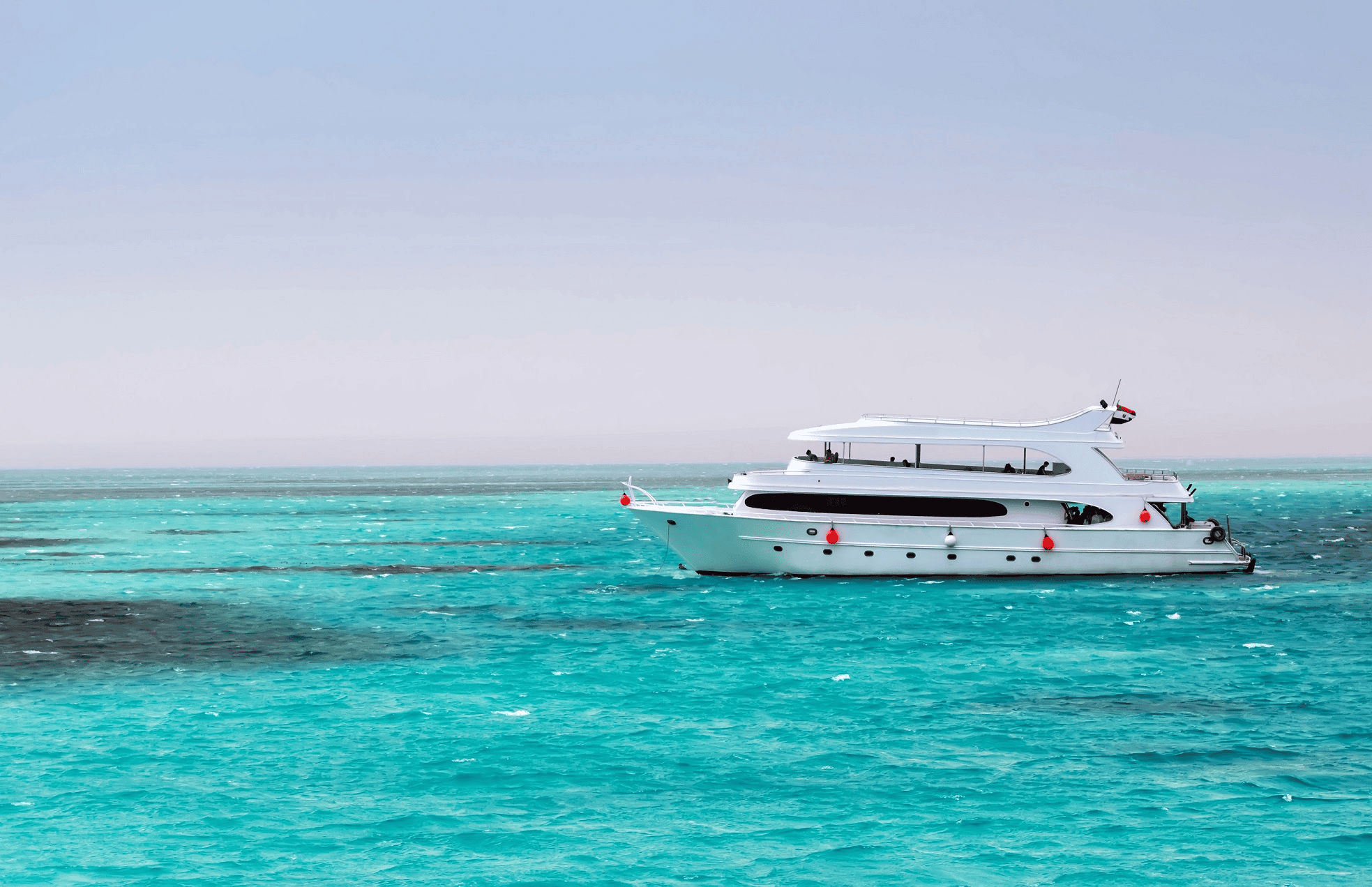
A live-aboard safari is the most perfect way to sample diving in the Red Sea. Live-aboard cruises depart from the ports of Sharm El Sheikh, Hurghada, Safaga and Marsa Alam all year-long, and they’re the ideal way to explore the remoter off-shore diving sites, where amazing ship wrecks await you, unspoilt nature, and pretty challenging technical dives. Usually, you’ll be able to make as many as 4 dives per day, including night dives.

Live-aboard safaris are also an extremely relaxing experience; you’ll enjoy a 5-star stay on board with private air-conditioned cabins, delicious food, and a Jacuzzi on deck to relieve your muscles after the effort.

Traditional itineraries of live-aboards include:

  • North Red Sea: Straits of Tiran and Gubal, Ras Mohammed National Park
  • North Wrecks: Abu Nuhas graveyard, the SS Thistlegorm, Rosalie Muller and the Dunraven.
  • South Marine Park, where the marine life is extraordinary: Elphinstone, Samadai Reef, Sha’ab Makhsour, Sha’ab Claude, Sataya and St. John.
  • Deep South: the legendary Rocky and Zabargad Islands.
  • The Brother Islands.

Dive Centres

Egypt is home to over 300 internationally certified diving centre. They all meet the ISO standards EN 14467 / ISO 24803 for diving as agreed with Egypt’s CDWS (Chamber of Diving and Watersports), the Austrian Institute of Norms and the European Underwater Federation (EUF).

To browse these centres by location, visit the CDWS website. Also remember to check the black list of Egypt’s illegal diving operators.

Trainings & Courses

All certified diving centres and schools in Egypt provide all levels of diving trainings, including open-water, advanced, technical, and even specialized courses in rescue diving and specific fields of the sort. Their activity is regulated by the official Chamber of Diving and Water Sports (CDWS) and they all own the EUF (European Underwater Federation) international certification.

International and local dive instructors and dive masters are qualified to teach you the diving basics, give you necessary trainings for acquiring higher certifications, and accompany you on diving safaris. Egypt’s accredited diving centres offer trainings under the supervision of international diving agencies, such as PADI, SSI, NAUI, BSAC and CMAS, only to name a few.

Moreover, multilingual diving instructors are available at almost any diving centre is Egypt, and foreign language course materials and videos are used during theory classes.

Water Temperature

The year-round sunshine on the Egyptian Red Sea makes it a perfect diving destination at any time of the year. Even in the first 3 months of the year, when water temperatures range from 21 to 22 degrees, you can still swim, snorkel or dive in the crystal blue waters.

The table below will give you an overview about the average water temperature of the Red Sea

Month

Jan

Feb

Mar

April

May

June

July

Aug

Sep

Oct

Nov

Dec

Water T°

22

21

22

23

25

26

27

28

27

27

25

24

Best Time to Dive

There’s no best time to visit the Red Sea to dive the underwater amazing coral reefs, simply because the weather is hot and stable enough to spend a pleasant holiday in this part of Egypt at any time of the year.

Nevertheless, some divers are entitled to have a preference for warmer water; those would have to plan their diving escape between June and September, when air temperature can reach highs of 40 degrees, and water temperature is in the 28 degree range. It is important to note, though, that it’s also the time when most of sun seekers come to Egypt, and the diving sites tend to get a little crowded at this time of the year.

Visibility

Visibility is on average 20 – 60 meters, which can be summarized as almost excellent all year long. Most of divers know that visibility is highly influenced by seasonal temperature changes. In winter, the water is too “cold” to support the growth of algae and plankton which usually worsen visibility. That is why at this particular time of the year, the Northern Red Sea areas enjoy great visibility rates.

In the South, the situation is a little different: best visibility can be enjoyed in summer, because when the water’s hot, the growth of marine micro organisms is slowed down.

Bottom line: you’ll always find a (quite large) spot in the Red Sea where the visibility is excellent at any time of the year.

Handicapped Diving

Over the past few years, many diving centres in Egypt have been offering special diving courses and trainings for physically challenged, yet eager and adventurous people who want to get up close and personal with the amazing natural treasures of the Red Sea.

These centres offer the help of HSA (Handicapped Scuba Association) and IAHD (International Association for Handicapped Divers) certified diving instructors, dive Buddies and guides, specialized and experienced with paraplegic, tetraplegic or amputee divers.

Kids Diving

Starting from the age of eight, kids are allowed to take part in initiative diving courses, which have been tailor-made for them by international dive training agencies, such as PADI. Such courses are offered by Egypt’s major diving centres.

Through fun-filled activities and videos, kids will learn more about the underwater fauna and flora, nature preservation, scuba diving, buoyancy, and underwater photography. Physical exercises are conducted in a pool, under the close supervision of qualified instructors.

For kids who are between 10 and 14 years old, and who have completed the introductory courses to diving, diving centres offer more advanced courses, in open water, but still under the very close supervision of diving professionals.

Diving in the White Med

Although there are many dive sites along the Egyptian Mediterranean coast, dive holidays to these destinations are far from being as popular and famous as the Red Sea Diving is. The seasonality of tourism to this area of Egypt, the change of water currents and visibility, and the fact that the access to some of the dive sites is still prohibited, are all factors that make the White Med less popular, among divers, than the Red Sea.

The Mediterranean holds within, mainly, amazing sunken archaeological sites and historical wrecks.

Some of Egypt’s most interesting archaeological dive sites are located very close to shore. Access is however restricted to many of these sites, while some of them have only been recently opened to recreational diving.

  • The “Sunken Royal Quarters” or "Cleopatra's Palace" is located inside Alexandria's Eastern Harbour in 6-8 meters of water.
  • The Pharos Lighthouse: One of the Ancient Seven Wonders of the World lies today in 5-10 meters of water, beneath the Alexandrian shore.
  • The Sunken Cities of Abukir: the remains of Aminotheese and Heraliqueon, two complete sunken cities with temples, houses, statues and enormous number of handcrafts to see dating from the 3-5 centuries BC.

The most interesting shipwrecks that lie off the North Coasts of Egypt are within accessible depths, but many of these wrecks are still considered off-limits due to military restrictions and national security concerns.

Aragon: sank by a U-Boat during World War II, the wreck lies just outside Alexandria harbour in 40 metres of water.

Archimede: A Passenger/Cargo vessel which sank near Alexandria in 1905 in 50-60 meters of water.

HMS Attack: A British Destroyer torpedoed at the entrance to Alexandria Harbour lying in 44 meters of water.

Culloden Reef Wreck: An unknown World War I era shipwreck lying in 9-17 meters of water.

Dalia S: A Syrian cargo ship which sank in 2000 and lies today in 15-20 meters of water.

Cargo Ship: The forward section of a WWII era Cargo ship lying in 5-22 meters of water

L’Orient: remains of the Napoleonian flagship vessel of the French fleet in the Battle of the Nile in 1798.