Corals - SliderCorals - Slider (2).jpeg)
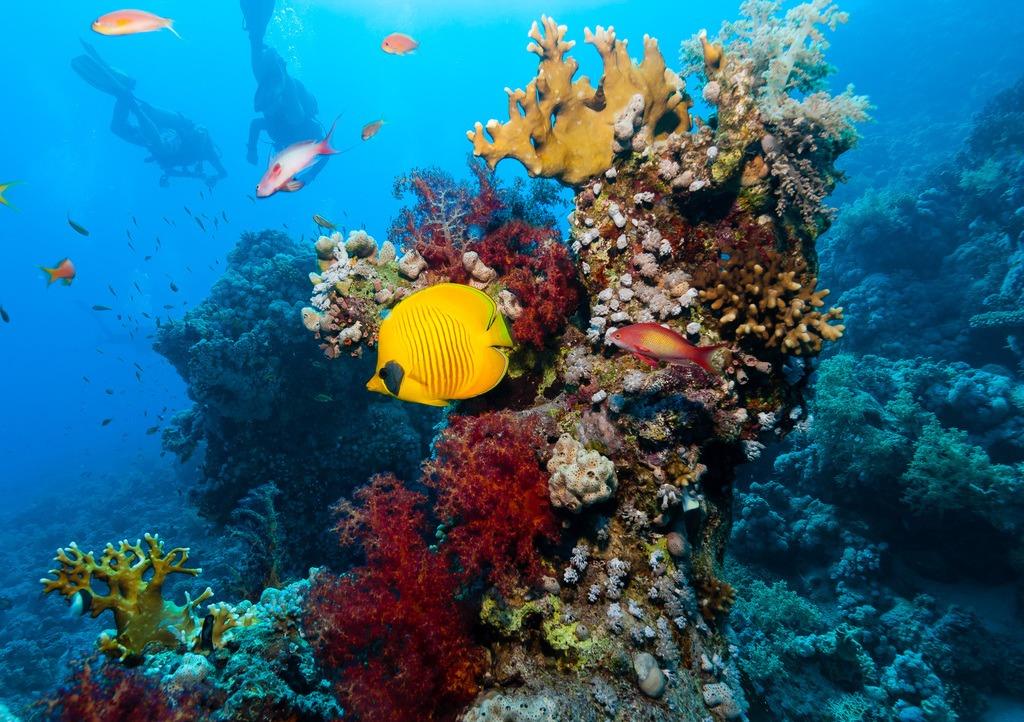
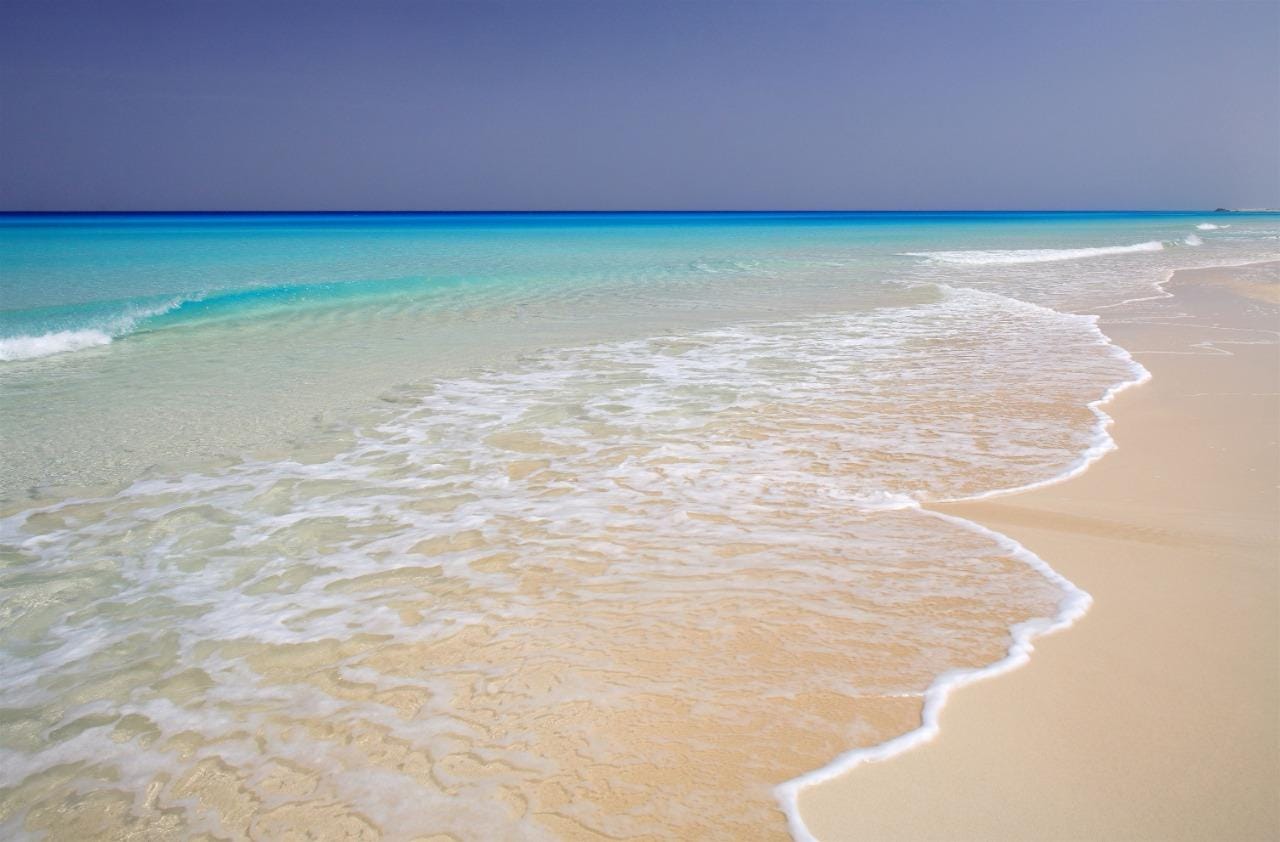
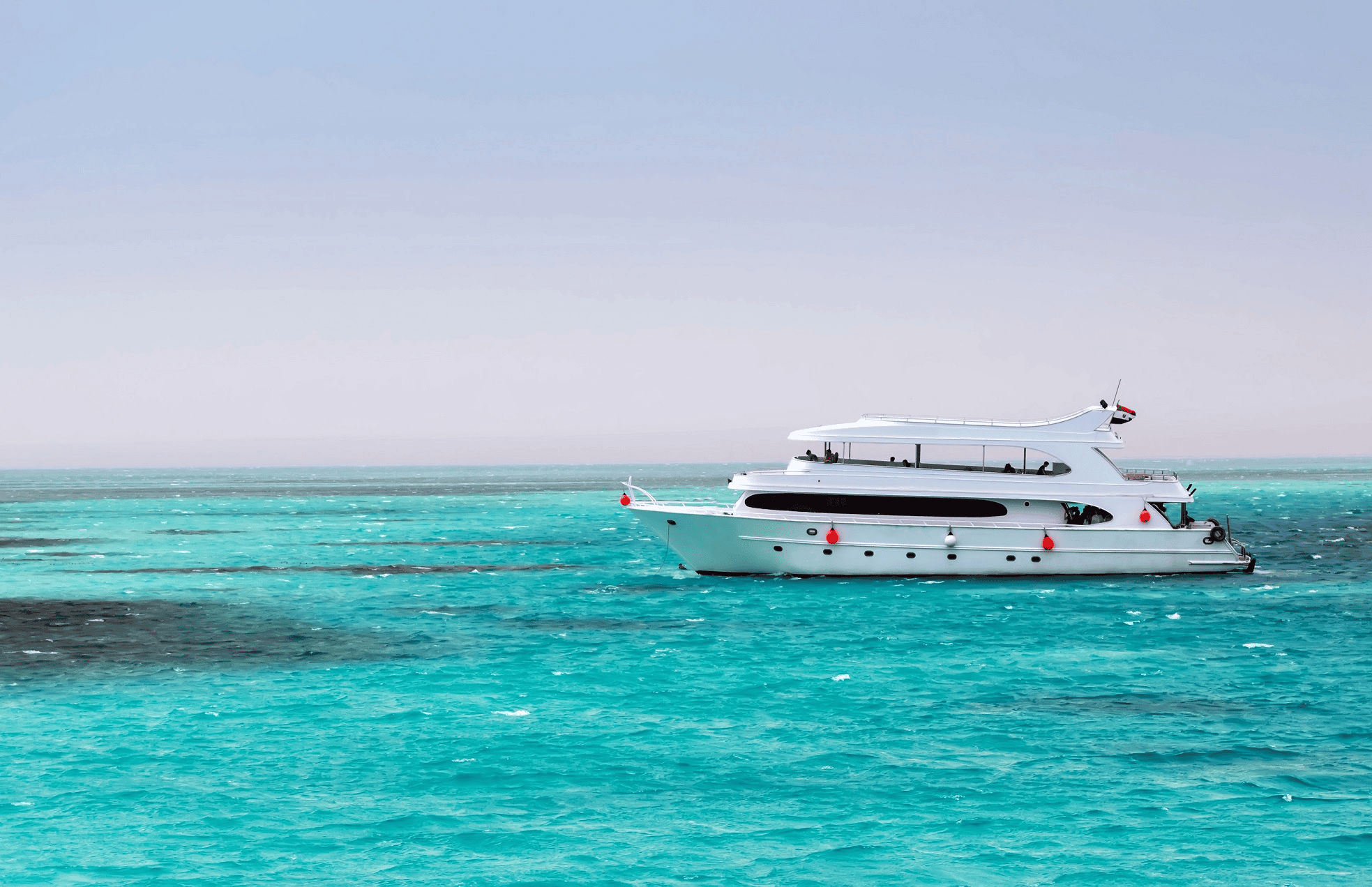
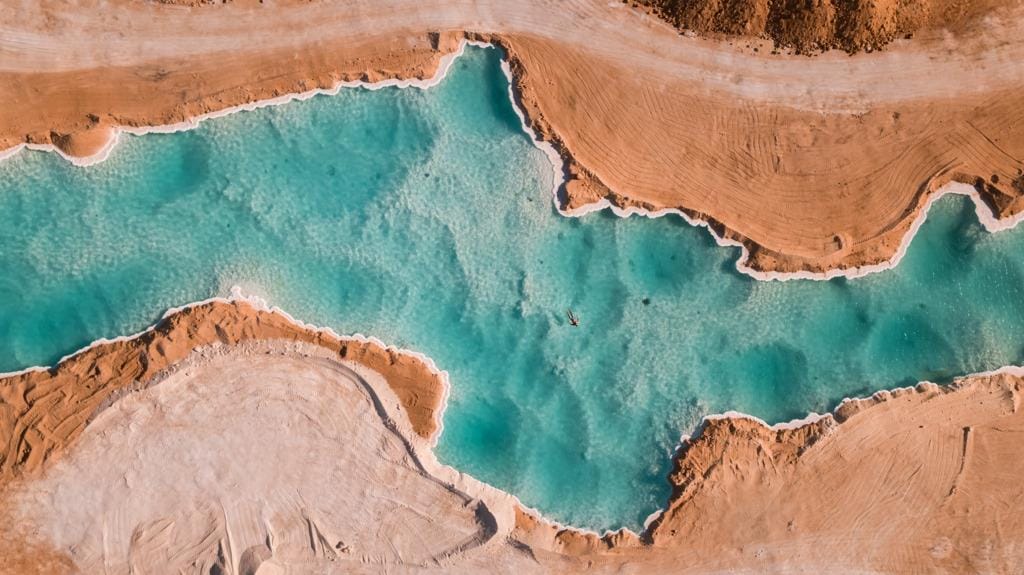
Swim in Stunning Shades of Blue
Mohamed_Hakem_-10 (1).jpeg)
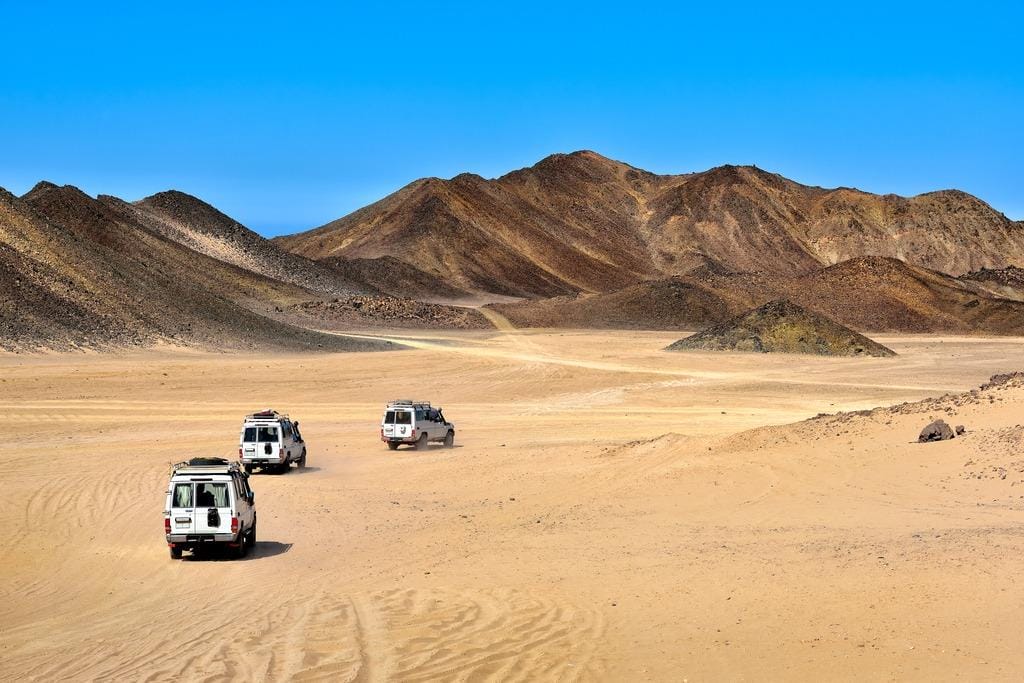
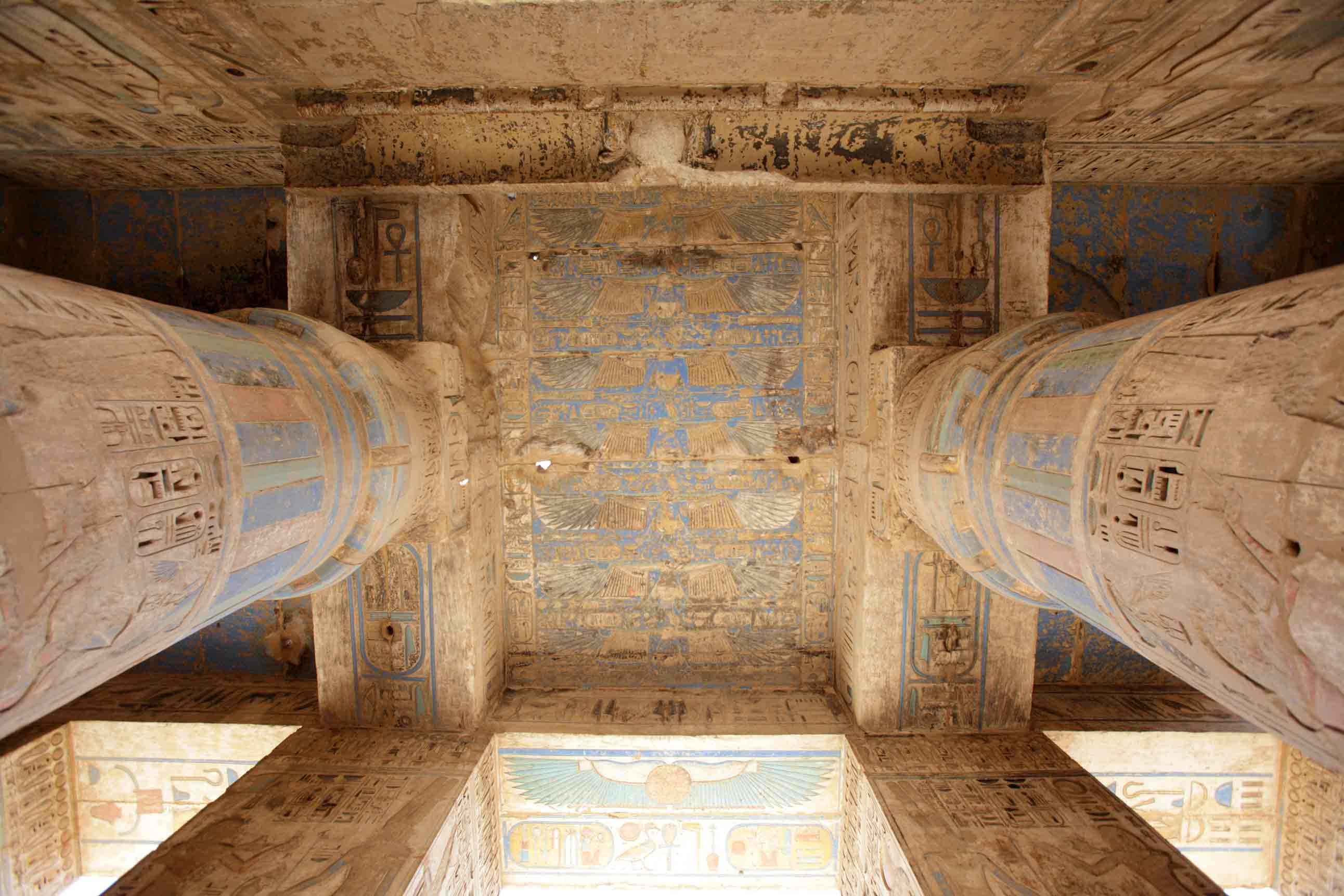
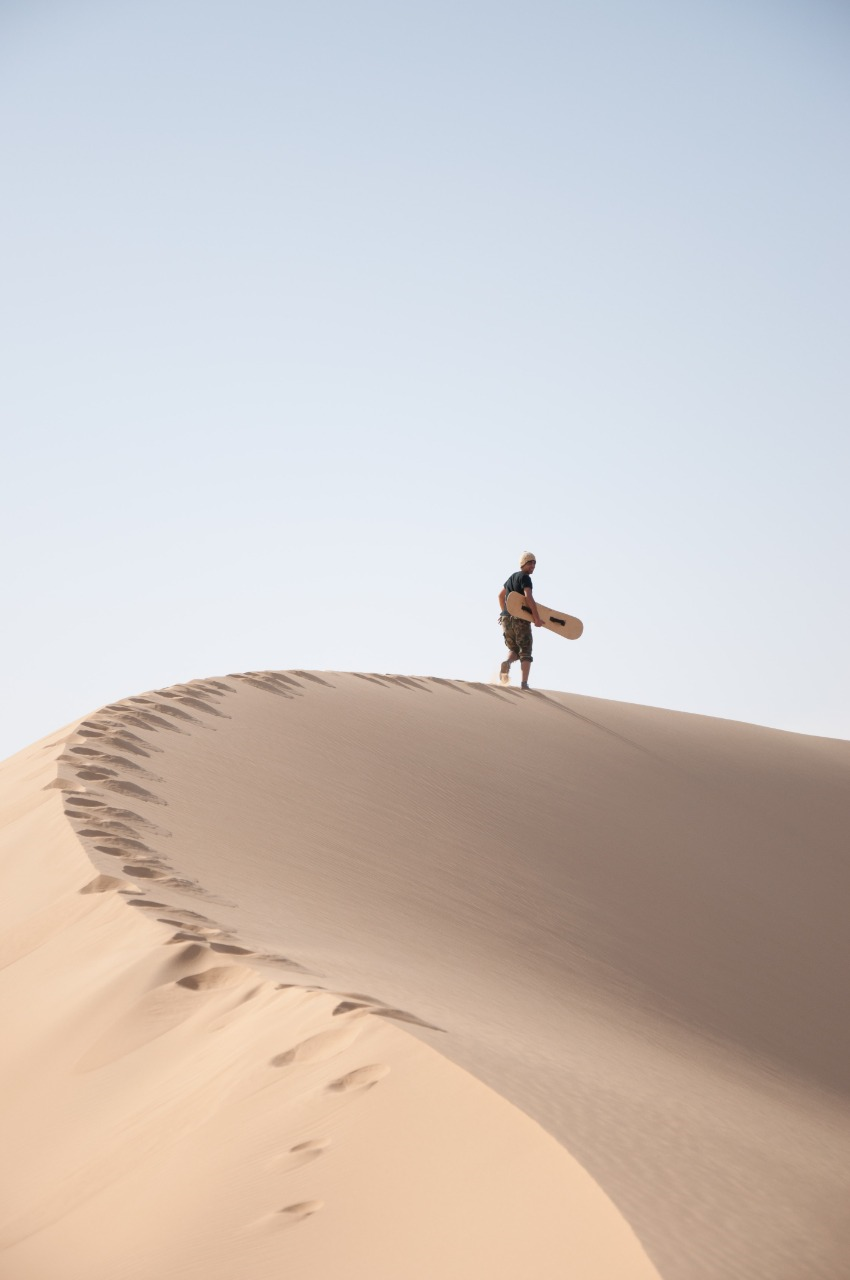
Explore Unforgettable Landscapes
.jpg)
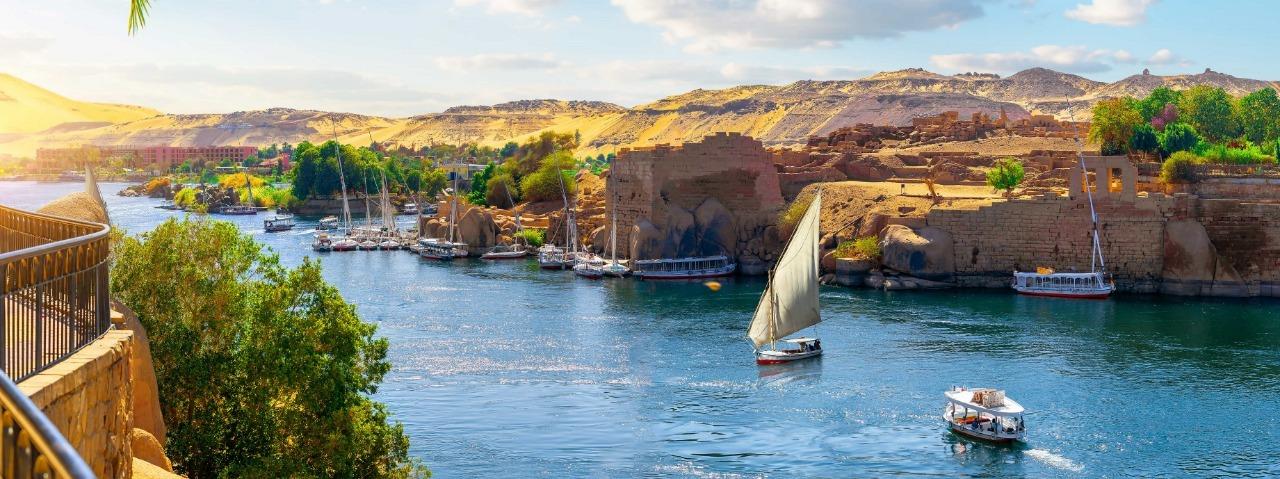
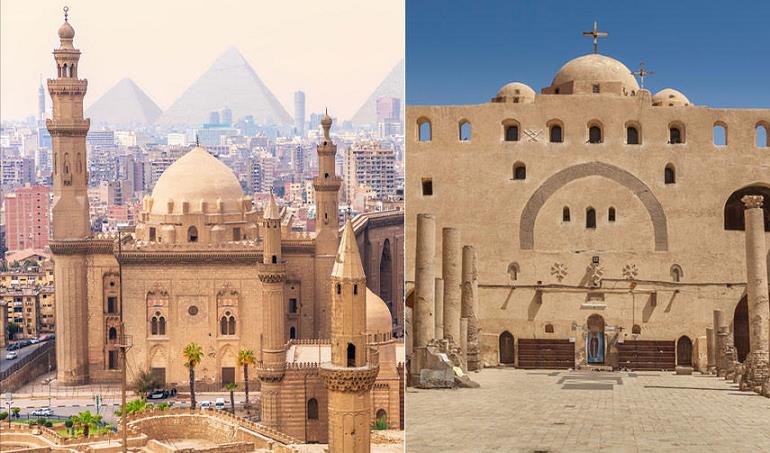
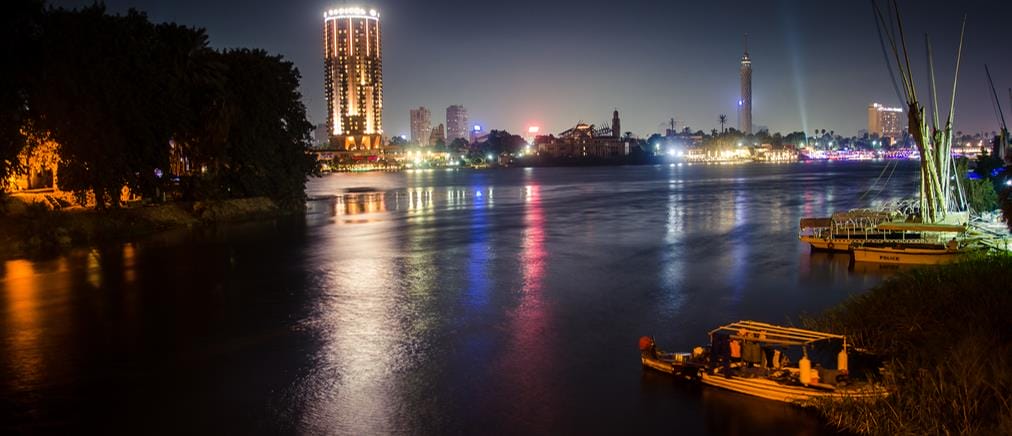
Relive History
Please take a moment to evaluate your visit
Where to Go
Pick your destination and start your Egypt experience now


DISCOVER
Hidden Gems
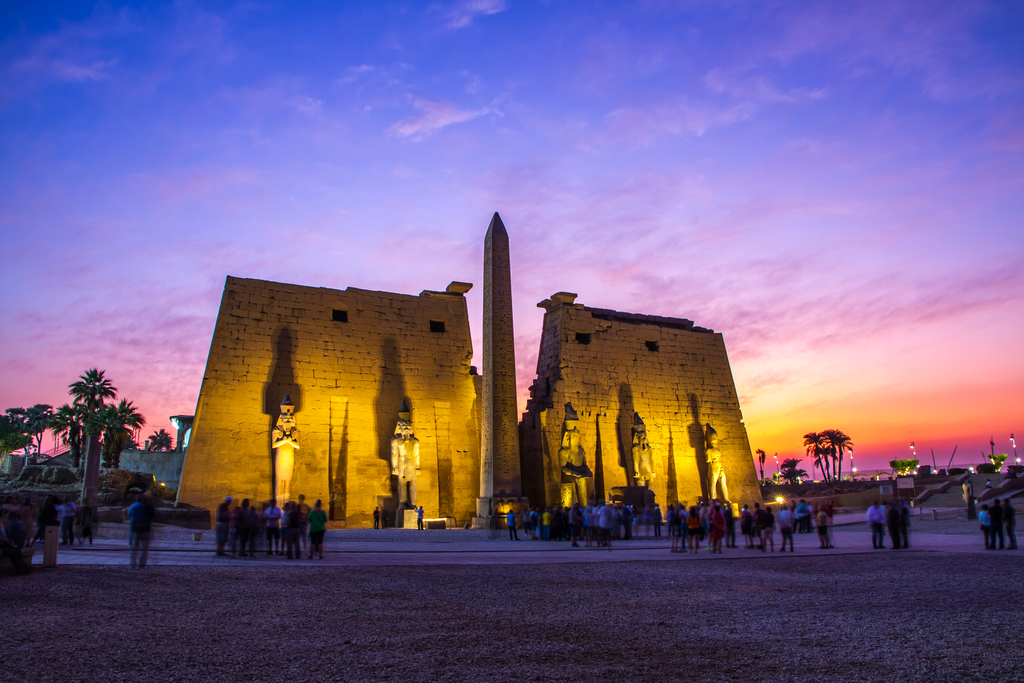
Luxor Temple at night, statues cast their mysterious shadows.
Luxor Temple at night
Luxor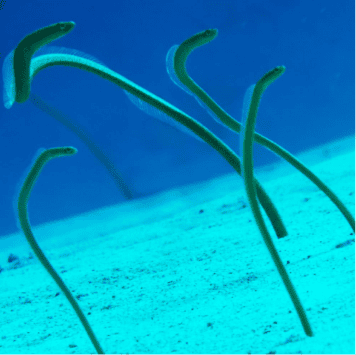
Eel Garden, Dahab, an underwater garden of eels and pufferfish
Eel Garden
Dahab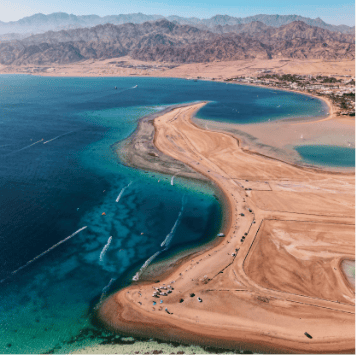
Blue Lagoon, Abu Galum, a global kitesurfing spot.
The Blue Lagoon
Abu Galum Protectorate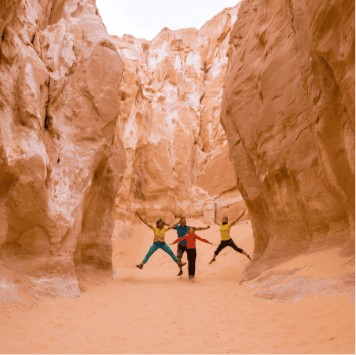
Colored Canyon, Nuweiba, a natural work of art on limestone walls.
The Colored Canyon
NuweibaWhat to Do
Experience what Egypt has to offer



Grab a plate of koshary, one of Egypt’s many vegan-friendly national dishes.
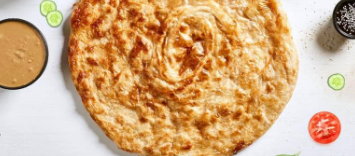
Indulge in a traditional Egyptian country breakfast of feteer (flaky layered pastry) in Fayoum.
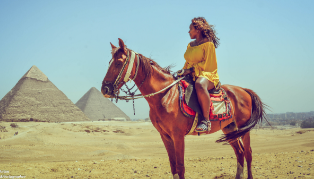
Enjoy unforgettable views of the Pyramids Plateau and other ancient monuments on horseback.
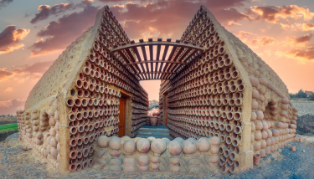
Explore villages near the archaeological sites of Giza for handmade artisanal crafts.


